

Compassionate, Integrative Care for Preschool & Elementary-Aged Children
Childhood is a time of wonder, growth, and rapid emotional development. But even during these formative years, children can experience big feelings, relational challenges, and life transitions that they don’t yet have the tools to understand or express.
At Create Wellbeing Therapy Collective, we provide child therapy in San Diego for children offering a safe, nurturing space for children to explore, play, heal, and grow.
Our Philosophy: Supporting the Whole Child
We understand that a child’s brain and emotional world are still developing — and that their behaviors are often expressions of underlying needs, attachment experiences, and nervous system responses.
Through this lens, therapy becomes a process of connection and co-regulation, helping children and caregivers create new patterns of safety, understanding, and emotional resilience.

Create Wellbeing Model of Care for Children
At Create Wellbeing, our work with children follows our three-part integrative model:
CALM Your Distress
We begin by creating emotional and physiological safety for the child through predictable routines, grounding activities, and attuned presence. A calm environment allows the nervous system to settle, opening the door to connection and growth.
ENGAGE your whole self
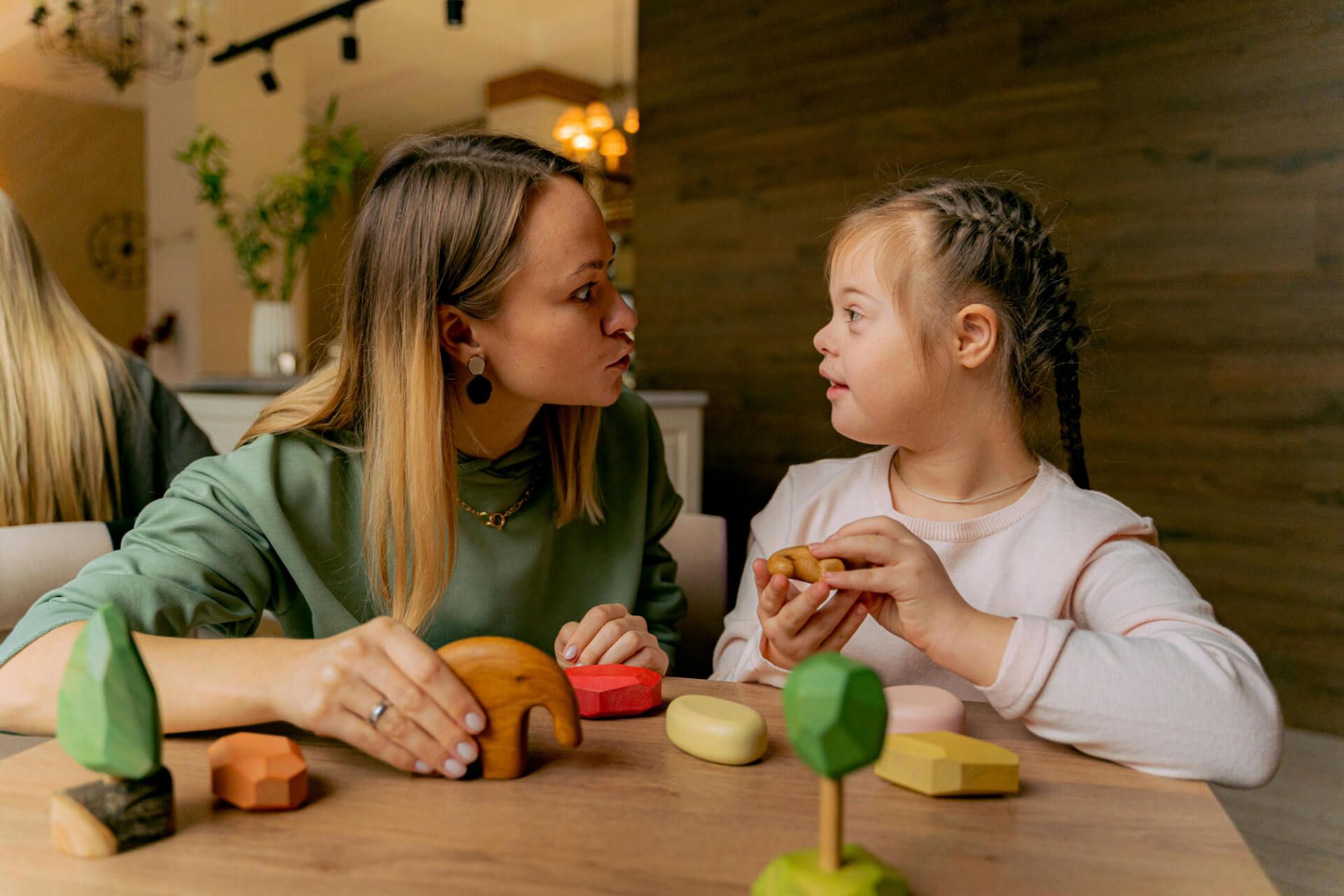
Once safety is established, we engage the child’s natural curiosity and creativity through developmentally appropriate, experiential therapies such as play therapy, art therapy, and music therapy. These modalities help children express emotions and experiences they may not yet have the words for.
INTEGRATE healing into your life
As therapy progresses, we support the child in integrating new emotional awareness, communication skills, and relational patterns — helping them bring these new tools into their daily lives, family interactions, and school environments.

How we support children
Our therapists use an integrative, relationship-based approach that honors each child’s unique temperament, developmental stage, and family system.
We help children:
- Understand and manage big feelings like anger, sadness, or anxiety
- Develop healthy emotional regulation and coping skills
- Strengthen communication and social connections
- Process loss, change, or trauma in a safe, supportive way
- Build self-esteem and resilience through positive relational experiences

Therapeutic Frameworks & Modalities Utilized
Our approach is both evidence-based and creative, blending traditional and expressive therapies to meet each child where they are.
Therapies we may use include:
Play Therapy: A child’s natural language — play helps them express feelings, process experiences, and build problem-solving skills.
Art Therapy: Creative expression helps children externalize emotions, reduce anxiety, and foster confidence and self-awareness.
Music Therapy: Rhythm and sound support regulation, emotional expression, and sensory integration.
Somatic & Body-Based Awareness: Helping children notice how emotions show up in their bodies and find tools to regulate through movement and breath.
Parent Collaboration: We partner with caregivers to support consistency and co-regulation at home.
Our philosophical roots
Our work is deeply informed by the belief that connection is healing. Drawing from the teachings of Dr. Dan Siegel, we view emotional wellbeing as an integration of the brain, body, and relationships — what Siegel calls “mindsight.”
We also integrate Dr. Shefali Tsabary’s Conscious Parenting philosophy, which encourages caregivers to move from control to connection — supporting emotional attunement, acceptance, and mindful awareness within the parent-child relationship.
Through these frameworks, our therapists support not just symptom reduction, but the cultivation of lifelong emotional intelligence and relational safety.


When Child Therapy can help
Child therapy can be helpful for children experiencing:
- Emotional or behavioral challenges
- Anxiety, fears, or excessive worry
- Sadness, withdrawal, or mood changes
- Difficulty adjusting to school or transitions
- Friendship or social struggles
- Grief, loss, or trauma
- Family changes such as divorce or relocation
- Sensory or regulation challenges
A Collaborative, Family-Centered Approach
Integrative therapy supports families. As a parent, you want your child to feel safe, confident, and connected — but when your child struggles emotionally or behaviorally, it can be difficult to know how to help. At Create Wellbeing Therapy Collective, we understand that meaningful therapy for children involves supporting both the child and their caregivers.
Children between the ages of 3 and 11 are in a period of rapid emotional, neurological, and social development. During this time, they’re learning to regulate feelings, navigate relationships, and make sense of the world around them. When children experience challenges — such as anxiety, anger, withdrawal, or difficulty adapting to change — it’s often their way of communicating that something inside feels too big to handle alone.
Therapy for children works best when parents are part of the process. We create a collaborative space that helps caregivers better understand their child’s needs, discover new ways of responding with empathy, and support emotional growth at home.
Our therapists partner with you to:
- Build insight into your child’s behavior and emotional world
- Strengthen connection and communication within the family
- Learn co-regulation and mindfulness tools to use in daily life
- Navigate transitions, developmental shifts, or behavioral concerns with confidence
At Create Wellbeing Therapy Collective, our goal is not only to help your child feel more balanced and secure but also to empower you as a parent or caregiver to become an active participant in your child’s healing journey.
Taking the first step can be the hardest. We will support you each step of the way.
You may be wondering if therapy will really help or if it is worth the cost. It is important to remember that this is an investment in your child’s wellbeing during a pivotal time in life. Effective therapy will help your teen to develop lifelong strategies for responding to intense emotions and evaluating how to make decisions.
As much as parents are key in supporting and guiding this process, it may also be essential to have professional support in order to be proactive with difficulties that can lead to more serious and long standing problems.

Getting started with Child Therapy
If your child is struggling emotionally or behaviorally, early support can make all the difference.
Schedule a free consultation call to discuss your child’s needs and learn how integrative, developmentally attuned therapy can support growth, connection, and lasting wellbeing.